Key Takeaways
- Eye twitching is a quick, involuntary flutter of the eyelid that usually affects one eye at a time
- Stress, poor sleep, caffeine, and screen time are common reasons behind eye twitching
- The side that twitches has no medical meaning, despite popular sayings
- Better sleep, less caffeine, and regular screen breaks can help a twitch fade
- See an optometrist if a twitch persists, gets worse, or spreads to other parts of your face
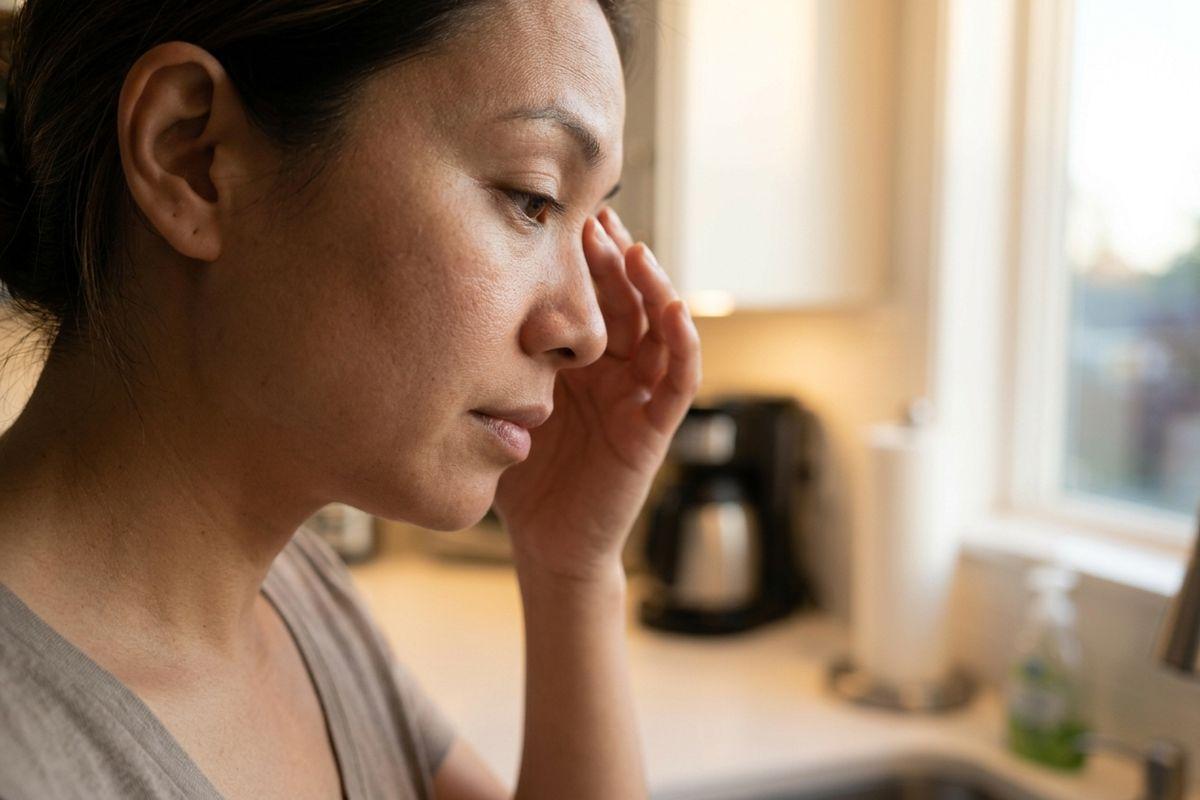
Most people notice an eye twitch at some point, often during a busy week when sleep runs short and the coffee gets more attention than usual. The flutter can feel much bigger than it looks, and it’s natural to wonder what’s going on.
An eye twitch usually happens when small muscles in your eyelid contract on their own, often because of tiredness, stress, caffeine, or eye strain, and most twitches fade once you deal with the trigger.
If yours keeps coming back, the team at Orchard Park Optometry can help you figure out what’s behind it, whether that’s your sleep schedule or the time you spend on screens.
What Is an Eye Twitch
Eye twitching happens when fibres in your eyelid muscle contract without any signal from you. You’ll often feel it more than anyone around you can see it. Most twitches show up in one eye at a time and don’t affect your vision.
Eye care professionals sort eyelid spasms into a few types:
- Myokymia, the light, rippling flutter most people get from time to time
- Blepharospasm, which causes forceful blinking or squeezing that usually involves both eyes
- Hemifacial spasm, a twitch on one side of the face that can spread from the eyelid to the cheek or mouth
Common Reasons Behind Eye Twitch
Family life rarely slows down, and your body can respond to that pace in small ways. Tiredness and heavy caffeine use are among the most common reasons an eyelid starts to twitch. Stress can add to it, and so can alcohol or nicotine, especially after a few nights of short sleep. Dehydration and electrolyte imbalances, low vitamin B12, poor nutrition, and certain medications are also possible contributing factors.
Screen time adds to the mix too. Staring at a laptop or phone for long stretches without blinking can cause digital eye strain, and that strain sometimes shows up as a twitch.
A few other triggers can irritate your eyes enough to start a flutter:
- Gritty, scratchy, or watery eyes from dry eye
- Pollen, pet dander, and other allergens that irritate the surface of your eye
- Medications such as antihistamines, which can dry out your eyes
- Bright light or windy weather
Does It Matter Which Eye Is Twitching?
You might have heard that a left eye twitch means one thing and a right eye twitch means another. Plenty of cultures have sayings like this, linking a twitch to good luck or an unexpected visitor.
These beliefs are fun to talk about at the dinner table. Medically, though, the side that twitches holds no special meaning. It depends on which muscle fibres happen to be firing at that moment.
Pay closer attention to the pattern. Notice how long each episode lasts, whether it comes and goes, and whether anything else changes around your eye. Those details can help your optometrist narrow down the cause.
Ways to Calm an Eye Twitch
Small changes to your routine can help a twitch fade. Start with sleep, since a consistent bedtime gives your eyelid muscles a chance to recover along with the rest of your body. Gradually cutting back on caffeine, rather than stopping it all at once, can also help calm things down.
Proper hydration is essential, and that doesn’t mean just water – when we sweat, we lose salts, so consider adding an electrolyte supplement into your daily nutrition routine. Make sure you are eating healthy, whole foods including animal proteins, healthy unprocessed fats, and clean carbohydrates. Avoid processed foods, added sugars, and seed oils (canola, corn, soybean, sunflower, safflower, rice bran, grapeseed, & cottonseed oils), which are toxic and inflammatory to our bodies.
Give your eyes some extra care while you wait for the twitch to pass:
- Follow the 20-20-20 rule by looking at something 20 feet away for 20 seconds every 20 minutes
- Blink fully and often during screen time so your eyes stay moist
- Use preservative-free artificial tears to ease dryness or irritation
- Hold a warm compress over your closed eyes for a few minutes
- Wear sunglasses on bright or windy days
When Eye Twitch Needs an Eye Exam
Most twitches pass without treatment. Book an appointment with your optometrist if you notice any of the following:
- The twitch persists or gets worse
- Your eyelid closes completely with each spasm
- The twitching spreads to other parts of your face
- Your upper eyelid starts to droop
- You see discharge coming from your eye
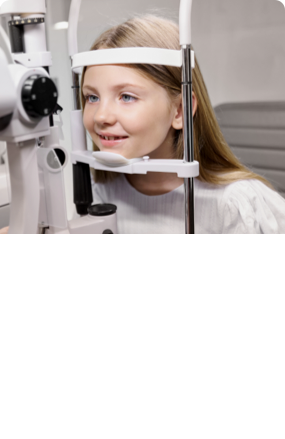
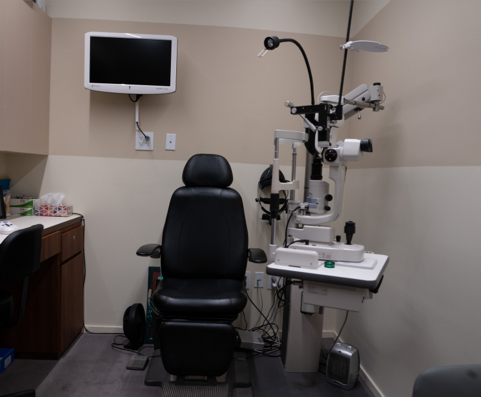
A comprehensive eye exam gives your optometrist a chance to check your eyelids, tears, and the surface of your eye for dryness or irritation that could keep a twitch going.
A twitch on its own rarely points to a serious problem like a stroke. Call 9-1-1 right away if a twitch comes with sudden signs of stroke, such as a drooping face, arm weakness, slurred speech, or trouble seeing.
Book an Eye Exam for a Lingering Eye Twitch
When a twitch keeps interrupting your day, an eye doctor can look for the cause and suggest changes that fit your routine.
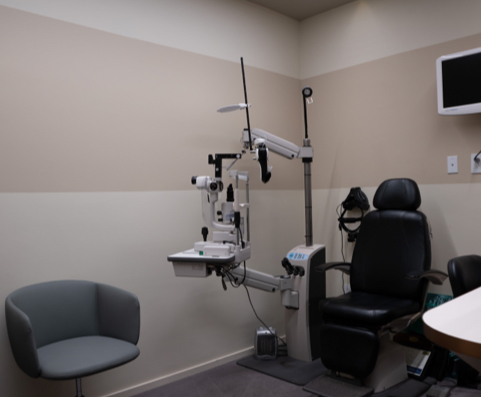
Orchard Park Optometry offers eye care 7 days a week, so you can find an appointment that works around school, work, and family time. Book your comprehensive eye exam and get your questions answered in a welcoming, spacious clinic designed with families in mind.