If a parent or grandparent has glaucoma, it’s natural to wonder what that means for your own eyes. We hear this question often during eye disease screenings, and it usually comes from someone who’s watched a loved one manage the condition for years.
Glaucoma can be hereditary, and having a close relative with it raises your own risk of developing it. Your family history also helps your optometrist decide how often you should have your eyes checked.
How Glaucoma Runs in Families
Glaucoma is a group of eye diseases that damage the optic nerve and can lead to permanent vision loss. The most common type has no symptoms in its early stages, so many people don’t know they have it.
Your eye is filled with fluid that drains out through a tiny drainage system. When that system doesn’t drain well, pressure builds within the eye and can harm the optic nerve over time. Genes can affect how this drainage system develops, which helps explain why glaucoma tends to cluster in families. In one study of people with open-angle glaucoma, more than half had a family history of the condition.
How Much a Family History Raises Your Glaucoma Risk
Parents, siblings, and children are your first-degree relatives, and a glaucoma diagnosis in any of them can raise your risk. Your risk tends to rise with how closely you’re related to the person who has glaucoma. If your parent, brother, or sister has it, mention it the next time you’re in the exam chair, along with how old they were when they were diagnosed.
Other Glaucoma Risk Factors to Know
Family history sits alongside several other risk factors for glaucoma, including:
- Being over age 50
- African or Latino heritage
- Severe nearsightedness
- Diabetes
- High blood pressure
- Smoking
- Sleep Apnea
If you live with diabetes or high blood pressure, managing them with your family doctor can support your eye health too.
Can You Get Glaucoma with No Family History?
Plenty of people are the first in their family to be diagnosed with glaucoma. That can happen for a few reasons:
- A relative may have had glaucoma without knowing it, since the condition often goes undetected.
- Some forms of glaucoma need a gene change from both parents, so neither parent may have the condition.
- Some medications, like steroid eye drops, can raise eye pressure and lead to glaucoma.
Since glaucoma can develop with no family history and no early symptoms, we check for it at every comprehensive eye exam.
Types of Glaucoma with a Genetic Link
Some types of glaucoma have a stronger genetic connection than others. Here are a few your optometrist looks for:
- Primary open-angle glaucoma develops slowly and has a strong family link.
- Congenital glaucoma appears at birth or within the first year of life and often has a genetic cause.
- Angle-closure glaucoma runs strongly in families, with close relatives facing roughly 10 times the usual risk. This is most common in people of Asian descent.
- Pigmentary Dispersion Glaucoma may be highly heritable and may share genetic links with nearsightedness and lighter eye colour. This is most common in Caucasians.
If you know which type a relative has, share it with us. It can help your optometrist decide which tests to focus on.
How to Protect Your Family’s Eyes From Glaucoma
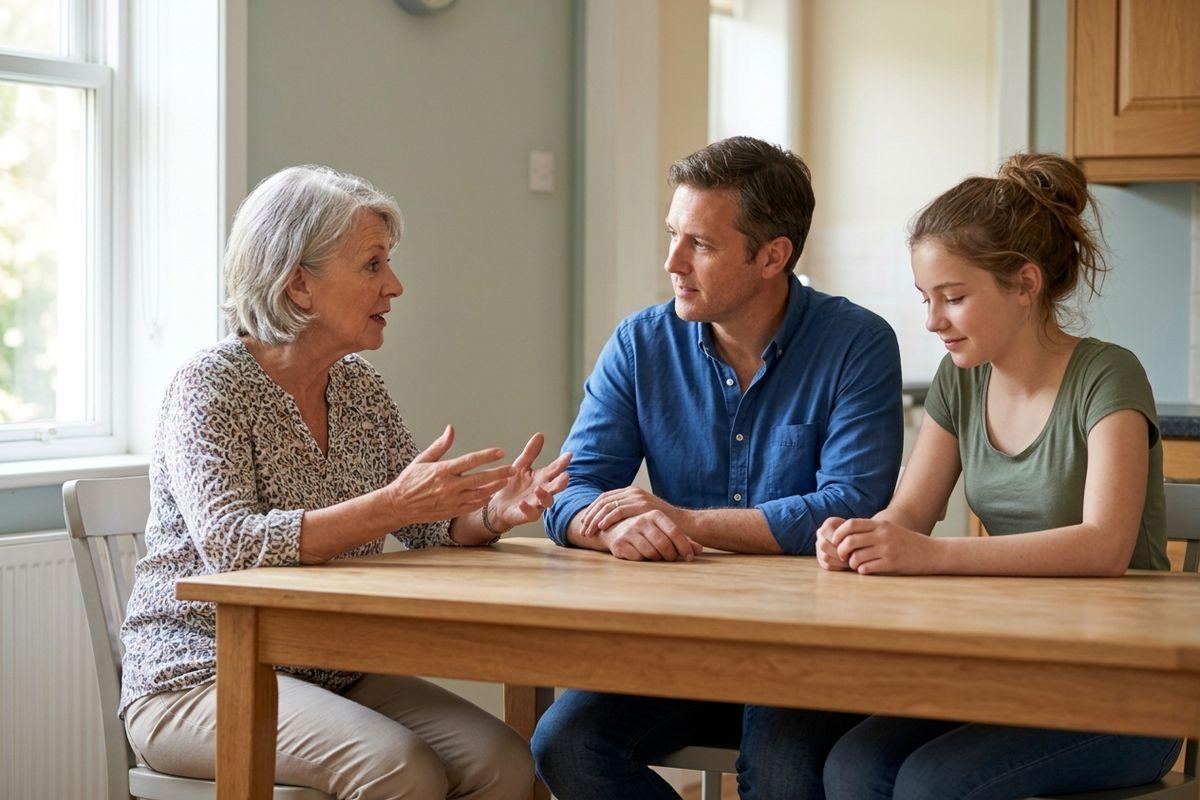
Start by talking with your relatives, even if it might feel odd to bring up over dinner. Sharing your diagnosis gives your parents, siblings, and adult children something important to mention at their own appointments.
Bring up your family history every time you see your optometrist, including relatives who use glaucoma eye drops or have had glaucoma surgery. That detail can help your optometrist decide how closely to monitor your eyes.
Book Regular Eye Exams
Canadian guidelines recommend more frequent eye exams for people at higher risk of glaucoma, and that includes anyone with a family history.
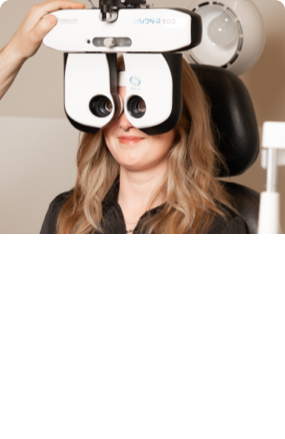
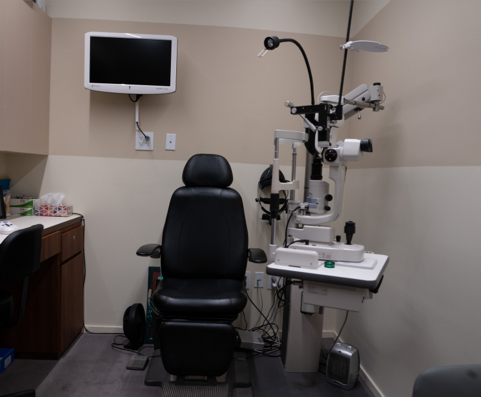
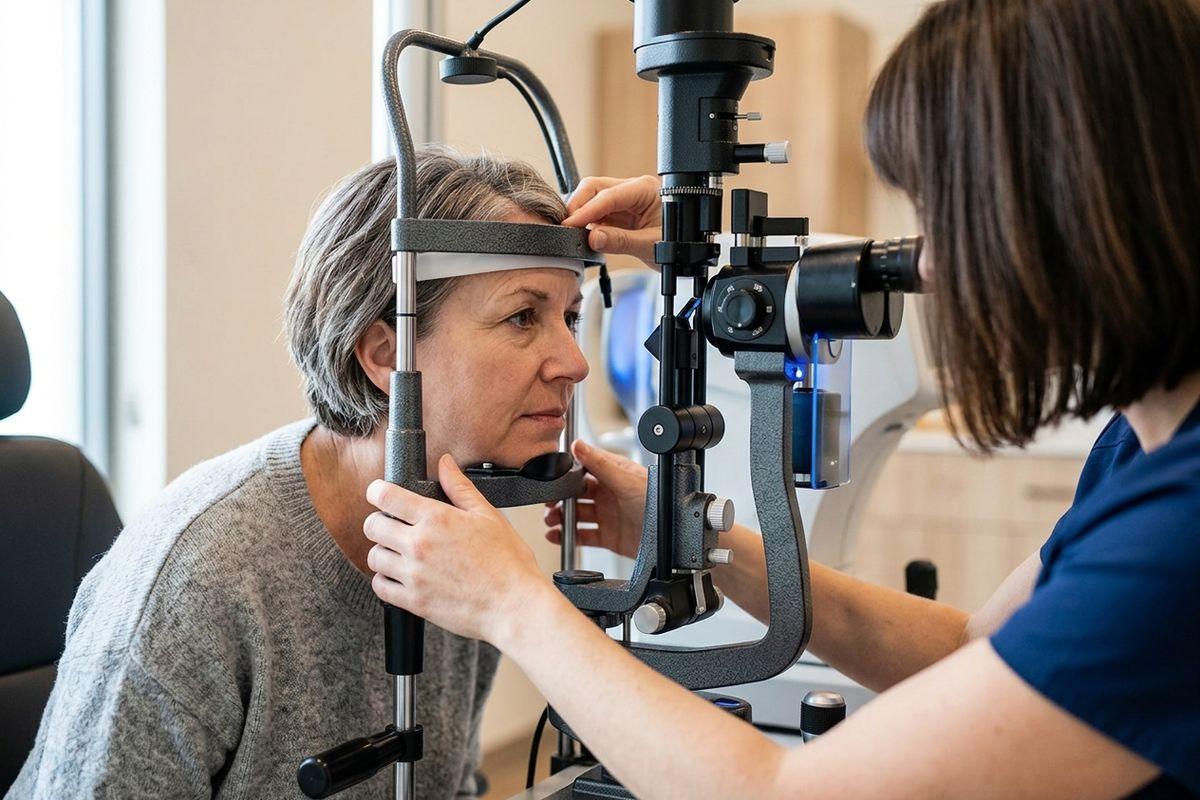
During a glaucoma check, we measure the pressure inside your eyes and look closely at your optic nerve. We may also use imaging or a visual field test to check your side vision.
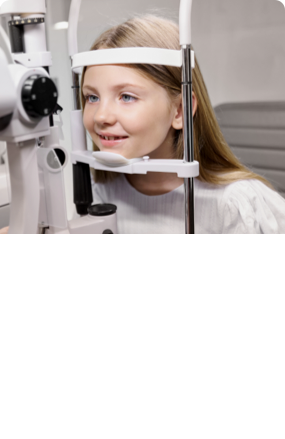
We offer children’s eye exams and adult and senior eye exams, so the whole family can come in on a schedule that suits them. If a relative was diagnosed at a young age, let us know at your child’s appointment too.
Make Glaucoma Screening a Family Habit
Glaucoma often runs in families, and knowing your history gives you a useful place to start. At Orchard Park Optometry, our optometrists can look at your family history and eye health together and recommend a screening schedule that fits your risk.
Bring any questions you have about a relative’s diagnosis, and we’ll take the time to talk them through with you. Book an appointment for yourself or the whole family.