Key Takeaways
- Optomap retinal imaging captures up to 80% of the retina (the back of the eye) in a single scan.
- It can detect early signs of eye diseases and systemic conditions like diabetes and high blood pressure.
- Many patients tell us that the process is quick and comfortable.
- Images are stored so the eye doctor can track any changes at each visit.
- The Optomap is suitable for the whole family, including children.
You probably don’t notice anything unusual with your vision. No blurriness, no pain, nothing that sends up a red flag. But some of the most serious eye conditions develop quietly, without symptoms in the early stages. By the time you notice that something is off, changes may have been happening for a while. That’s why at Orchard Park Optometry, we invest in innovative technology that helps us detect changes to your visual health earlier.
Optomap Retinal Imaging gives our eye doctor a detailed, panoramic view of the back of your eye, so small changes can be spotted earlier, and you have more management and treatment options. For families in Kelowna, this can be a meaningful step toward protecting everyone’s long-term eye health.
What Optomap Retinal Imaging Does
The retina is a light-sensitive tissue at the back of your eye. It’s where the eye doctor can see blood vessels, nerve tissue, and other structures that reveal a lot, not just about your eyes, but about your overall health.
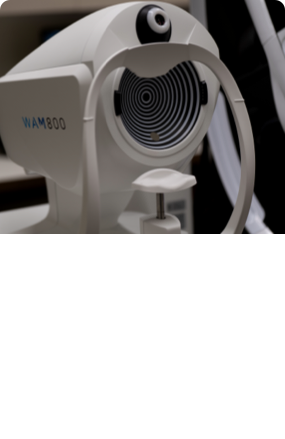
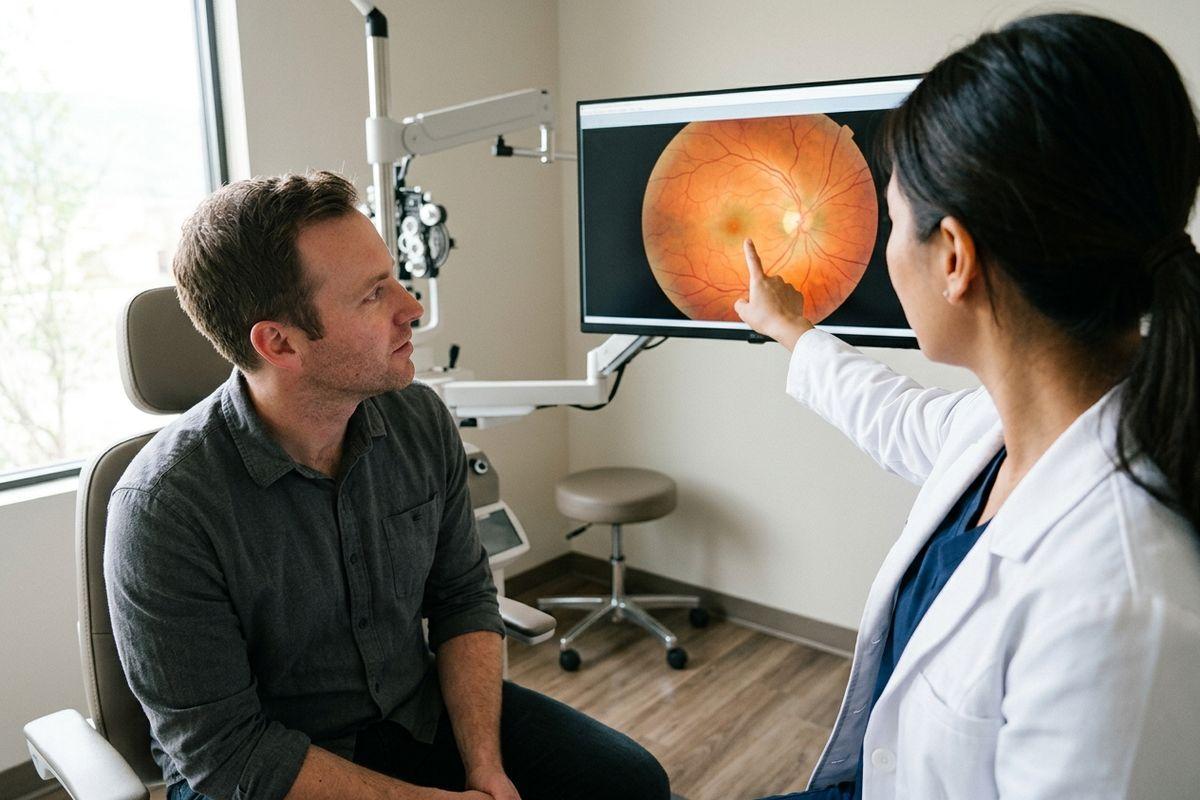
The Optomap can capture up to 80% of the retina in a single wide, panoramic scan. A standard retinal view covers a much smaller area, which means some regions simply don’t get checked without extra effort or dilation drops. Optomap changes that. The scan takes only seconds, and the image it produces shows a wide view of the retina in a single image.
The wider field can help your eye doctor visualize retinal changes that may be outside the area captured by conventional retinal photography. Retinal imaging has become a reliable way to monitor the back of the eye for a range of conditions.
Eye Conditions Optomap Can Detect
Conditions Linked to Systemic Health
Your retina is the only place in your body where blood vessels can be seen directly without any invasive procedure. That makes it a valuable window into conditions that affect your whole body. These conditions can include:
- Diabetic Retinopathy: chronically-elevated blood sugars can damage small blood vessels and capillaries in every organ system in your body, and the eye is the only place where this damage can be detected non-invasively, even before symptoms develop.
- High Blood Pressure: this condition compromises small arteries that feed your retina, causing restrictions to blood in-flow and out-flow of blood. Over time this can slowly lead to blindness, or in some cases, it can cause sudden loss of vision in the event of stroke inside the eye.
- Melanoma & Eye Cancer: the retina contains lots of melanin (pigment) just like we have in our skin, which helps it to absorb the light we need to see. Just like on our external body, we can develop freckles, moles, and even melanoma inside the eyes.
- Autoimmune Diseases: many conditions that involve our immune system can also affect our eyes and cause retinal inflammation. These include Rheumatoid Arthritis, Psoriasis, Inflammatory Bowel Disease, Multiple Sclerosis, Lupus, Sarcoidosis, and more.
- Neurological Disorders: the eyes are considered an extension of the brain located outside the skull. Problems like elevated intracranial pressure, brain tumors, strokes, and more can be seen by looking at the optic nerve and retina via Optomap.
While the Optomap alone can’t provide a full diagnosis, it can be a helpful first step in guiding further examination, monitoring, or treatment when needed. If you or someone in your family has diabetes, understanding how diabetes affects eye health can help you know what to watch for between visits.
Structural Eye Conditions
Beyond systemic health, Optomap helps the eye doctor look for changes in the eye’s structures, including areas at the far edges of the retina that a standard exam might not reach. Some common eye conditions that retinal imaging can help detect include:
- Glaucoma: Changes to the optic nerve (the nerve that sends information to the brain) can be identified earlier, which supports timely management.
- Retinal tears or detachments: These types of issues often occur towards the outer edges of the retina, making the Optomap’s wide view especially helpful.
- Macular degeneration: Early tissue changes in the macula (near the back of the eye) can be identified and monitored, sometimes before significant vision loss occurs.
- Cataracts: while these are not directly a part of the retina, cataracts can be detected on Optomap which helps optometrists differentiate serious vision problems from normal age-related changes inside the eye.
Conditions like age-related macular degeneration often show no symptoms in the early stages, which is why having a thorough retinal scan as part of your regular eye exam can make a real difference.

Why Retinal Imaging Matters for Your Family
Many serious eye diseases don’t come with obvious warning signs in their early stages. With issues like glaucoma or age-related macular degeneration, you won’t experience headaches, visual disturbances, or anything that tells you something needs attention early on. That’s what makes regular eye exams so important, and it’s why our team at Orchard Park Optometry prioritizes the technology used during those exams.
Comprehensive eye exams can help detect overall health conditions, which is key because there are often more management options available in the early stages of an issue. For parents keeping track of their family’s health, that kind of thorough check can bring real peace of mind.
What to Expect During an Optomap Scan
An Overview of the Scan
If you’ve ever dreaded the air puff test or the eye drops that blur your vision for hours, you don’t have anything to worry about. Many of our patients find that the Optomap scan is comfortable and quick. This is because the scan doesn’t require drops or any sort of puff of air.
Instead, the scan is done within seconds, and you’ll be able to get right back to your day afterwards.
Seeing Your Results Together
One of the most useful parts of Optomap is what happens right after the scan. A main benefit is that the images are available immediately, so the eye doctor can walk you through what they’re seeing at the same appointment.
Our eye care team will never rush you through this step: We want you to understand your eye health, see the images yourself, and have time to ask any questions that may be on your mind.
Your results are also saved on file. At future visits, the eye doctor can compare scans side by side to track any changes over time. That kind of record makes a real difference when it comes to catching subtle shifts before they become bigger concerns.
Optomap as Part of Your Eye Exam in Kelowna
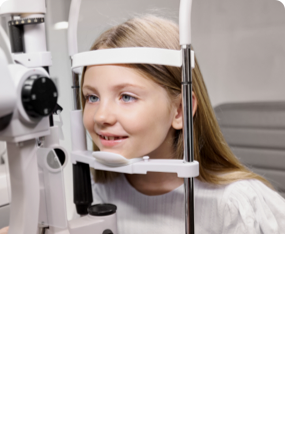
At Orchard Park Optometry, we often offer Optomap retinal imaging as part of a comprehensive eye exam at no extra charge.. It’s available for the whole family, children included, making it easy to look after everyone’s eye health in one familiar place.
Schedule Your Next Appointment
As a trusted eye doctor in Kelowna, our team at Orchard Park Optometry is available seven days a week, so you can book at a time that actually fits your schedule. If you’re interested in learning more about your retinal health, we’d love to see you. Book an appointment for yourself or a family member today.