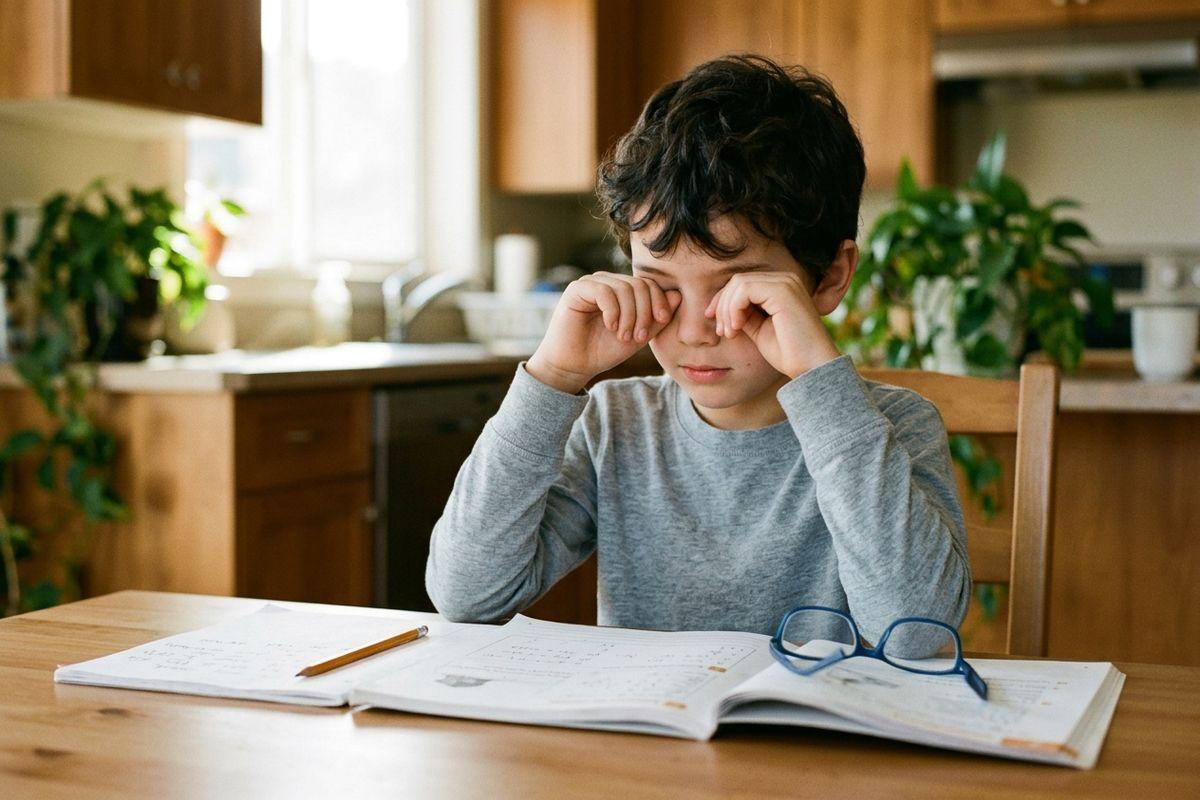
Tired eyes at the end of a long day usually get blamed on the day itself. Late nights, a full inbox, one more chapter of the bedtime story. Sometimes the ache behind your eyes points somewhere else entirely, to how well your two eyes work as a pair.
Binocular vision is how your eyes team up to send one combined image to your brain, giving you depth perception and comfortable focus. When that teamwork slips, reading, long stretches at a screen, and even walking down a flight of stairs can feel harder than they should. Children run into it too, usually in the middle of homework.
How Your Eyes Work Together
Your eyes sit a few centimetres apart, so each one picks up a slightly different view of the room. Your brain merges those two views into a single picture, and that merge is what tells you how far away the curb is before you step off it.
For any of that to work, both eyes have to aim at the same spot at the same time. When one eye drifts even slightly, your brain receives two mismatched images and has to work harder to reconcile them.
That extra effort is where the fatigue comes from.
How Binocular Vision Develops in Children
Eye teaming isn’t something we’re born with. It builds through the early years alongside motor skills, as babies learn to reach, crawl, and follow a ball across the floor.
Young kids rarely mention blurry or doubled vision, mostly because they assume everyone sees the way they do. Eye exams during these years let us track whether that development is on schedule, and we can spot a turned or drifting eye well before it starts affecting reading.
Signs and Symptoms Of Binocular Vision Issues
Symptoms of binocular vision dysfunction tend to build through the day rather than arrive all at once, which is part of why they get written off as tiredness. They also show up in the rest of your body, not only in your eyes.
Watch for a few of these:
- Blurry or double vision that worsens by the evening
- Trouble refocusing when you look from a screen to something across the room
- Headaches that turn up after reading or close work
- Dizziness or a sense that your balance is off
- Light sensitivity while you’re on a screen
Signs of Binocular Vision Problems in Kids
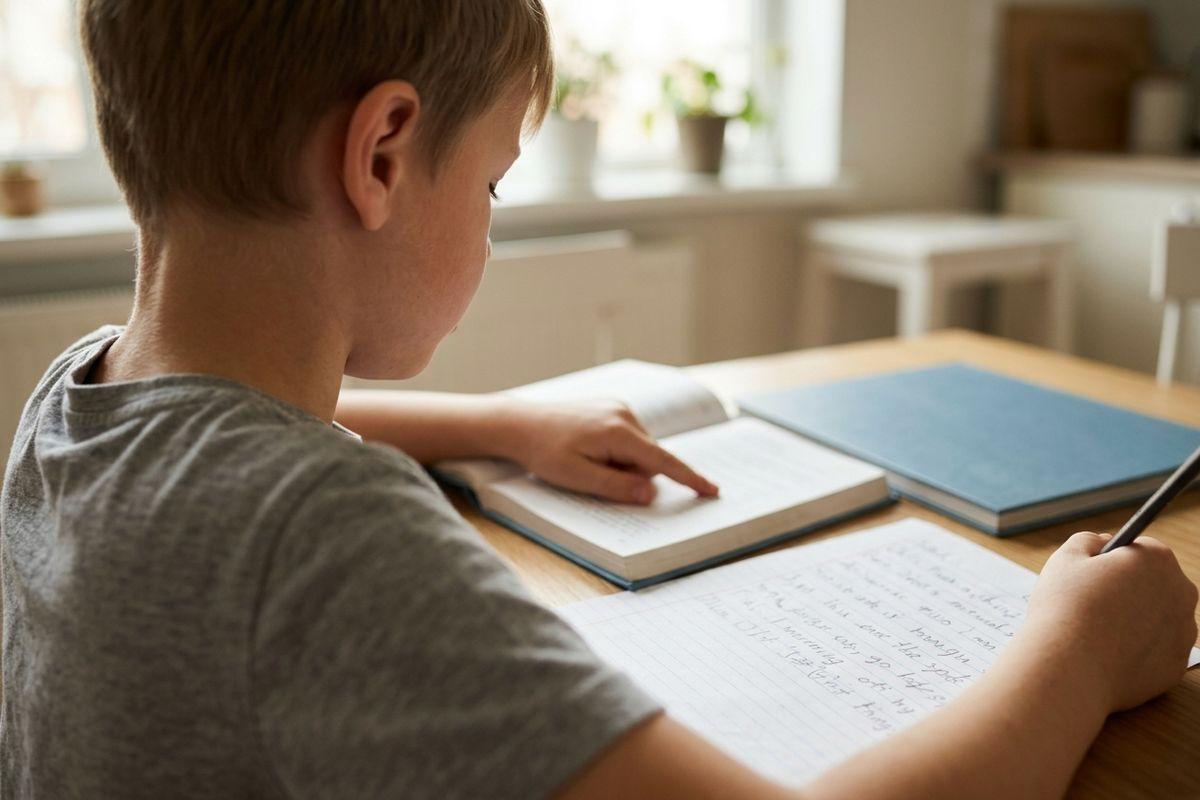
Children tend to show this through behaviour rather than complaining about their eyes. A kid who avoids reading may be avoiding the discomfort that comes with it.
Parents and teachers usually notice these first:
- Skipping lines or re-reading the same sentence
- Covering or closing one eye during homework
- Handwriting that wanders off the line
- Getting frustrated or fidgety within minutes of starting schoolwork
- Unable to concentrate in busy visual environments
- Can’t appreciate 3D movies or pictures
What Causes Binocular Vision Dysfunction
Some causes start in childhood. Others build up over months or years. A few of the common ones:
- Eye alignment issues that keep both eyes from aiming at the same point
- A head injury or concussion, which can disrupt eye teaming months after the fact
- Long hours of near work and the digital eye strain that comes with it
- Migraines and the light sensitivity that often travels with them
- Neurological conditions that affect eye movement control
How an Optometrist Tests Binocular Vision
Reading letters off a chart measures one thing: how sharp your vision is at a distance. You can test at 20/20 and still deal with double vision or eye strain, because clarity and eye teaming are separate skills.
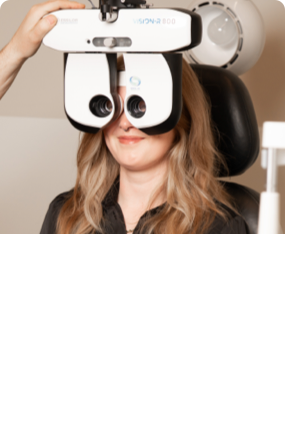
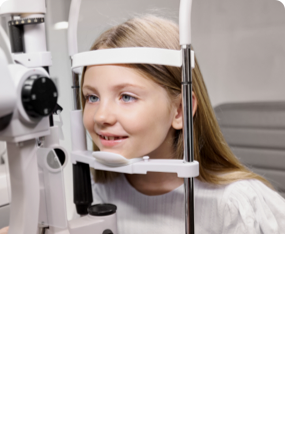
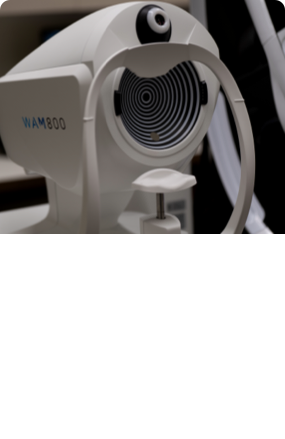
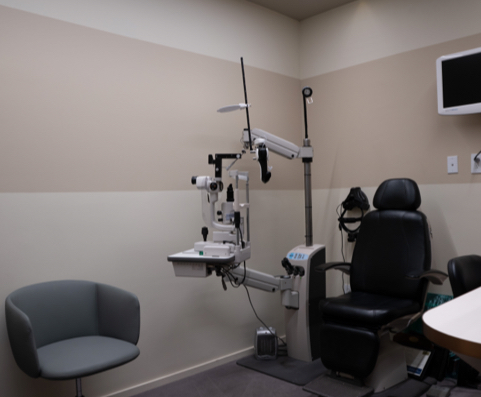
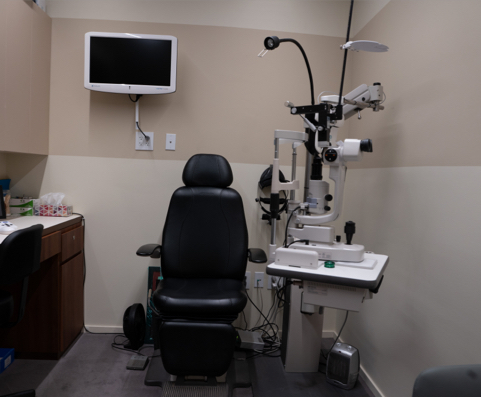
A comprehensive eye exam goes further than the chart. Your optometrist checks how your eyes align at near and far distances, then watches how smoothly they follow a moving target. 3D vision testing can also detect problems with eye-teaming.
Focusing gets measured on its own, since the muscles that pull your eyes inward for close work can fatigue independently of everything else.
Come with a sense of when the symptoms hit hardest. Knowing that the headaches start around 3 p.m. or only after an hour of reading points us toward the right tests faster than a general description ever could.
Treatment Options for Binocular Vision Problems
What we recommend depends on what the exam turns up, and most plans combine more than one approach:
- Prism lenses, which bend light slightly so the images from each eye line up more easily
- Vision therapy exercises that build eye teaming over a series of sessions
- An updated prescription, when uncorrected focusing effort is pulling your eyes out of alignment
- Small changes to screen habits, like a proper break every 20 minutes of close work
Follow-ups matter. Eye teaming responds gradually, so we recheck progress and adjust the plan instead of setting it once and walking away.
Book an Exam and Find Out How Your Eyes Are Teaming Up
Regular exams can flag a binocular vision issue before it starts affecting school, work, or your comfort at the end of the day. Family eye care covers every age, from a toddler’s first visit to adults managing screen fatigue or migraines.
Orchard Park Optometry offers care with a personal touch, so an exam can fit around your family’s schedule rather than the other way around. If headaches or reading struggles sound familiar for you or your kids, book an appointment with one of our optometrists.