Key Takeaways
- Contact lenses do expire, and the expiry date should be printed on both the box and each blister pack.
- After the expiration date, the lens and solution are no longer guaranteed to remain sterile.
- Wearing expired lenses can increase the risk of eye infections and, in some cases, corneal damage.
- Contact lens solution also expires and should be checked regularly.
- If you notice redness, pain, or blurry vision after wearing expired lenses, it’s a good idea to see an eye doctor right away.
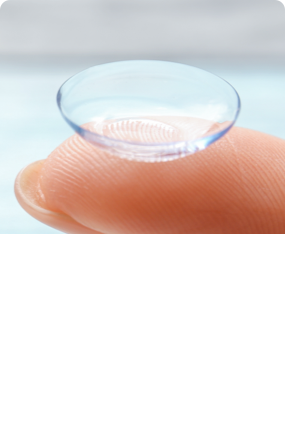
Maybe you were doing some spring cleaning and ran into an old box of contacts tucked in the back of a drawer. After glancing at them, you see that the lenses look fine and the packaging is sealed. At Orchard Park Optometry, we know that in this situation, it can be tempting to want to use the expired lenses, but we want you to understand why that isn’t a good idea and what risks wearing expired lenses can bring.
Yes, contact lenses do expire, and wearing them past that date can increase your risk of an eye infection. Our team offers contact lens fittings 7 days a week, so you never have to resort to wearing old lenses out of convenience.
Why Contact Lenses Have an Expiration Date
It’s not only the lens itself that expires, it is also the packaging solution. Each blister pack contains a saline solution that keeps the lens hydrated, sterile, and safe. Over time, these materials and solutions begin to degrade and break down. This can be caused by many factors, including how the packaging is handled and stored. While manufacturers test for durability and longevity of their products, they do not last indefinitely. Contact lens companies put an expiry date on the lens packaging that guarantees the product is safe to use within that time frame.
How to Find the Expiration Date on Your Contacts
Where to Look
The expiry date usually appears in 2 places: On the outer box and on each individual blister pack. Manufacturers often print the date in a year-month format, and if a lens is past that date, it should be disposed of, regardless of how the packaging looks.
When the Date Is Gone
Sometimes the print fades, or a label gets damaged. The general recommendation is that if you can’t read the expiry date clearly, don’t guess: Toss it out.
One other thing to watch for is that the manufacture date and the expiry date are not the same thing. The manufacture date tells you when the lens was made, and the expiry date tells you when it’s no longer safe to use. Make sure you’re reading the right one.
Risks of Wearing Expired Contact Lenses
Signs Something May Be Wrong
If you wear expired lenses, you may begin to notice some uncomfortable symptoms. This can be your eyes’ way of telling you something is off, and it’s often a good idea to have an eye doctor examine them. Pay attention if you notice:
- Blurry vision or sudden discomfort
- Redness, irritation, or unusual sensations
- Any vision changes
Why the Risk Isn’t Worth It
Bacteria that get into a compromised blister pack can transfer directly onto your cornea (the clear outer layer of your eye). That can lead to a serious eye infection called microbial keratitis, which may bring on pain, light sensitivity, and vision changes. In some cases, corneal damage from infection can affect your vision long after the infection itself clears up.
A single pair of old lenses is not worth that outcome. Instead, rock your glasses until you can get a fresh box.
What to Do If You Accidentally Wore Expired Contacts
In the hustle and bustle of everyday life, accidentally wearing expired lenses can happen. If you realize mid-day that your lenses were past their date, here’s what to do:
- Remove and discard the lenses right away
- Watch for redness, pain, or blurry vision over the next day or 2
- See an eye doctor in Kelowna if any symptoms appear, even mild ones
Catching any irritation early gives the eye doctor a much better chance to address it before it has the chance to become something more serious.
Also, make sure to check every new lens package that the seal is intact and has not been damaged. Even if the lens isn’t expired, wearing a lens out of a damaged package can increase risk of microbial contamination, lens dehydration, which leads to ocular health problems.
At Orchard Park Optometry, we will be happy to replace any damaged or defective packing at no charge.

Simple Tips to Stay on Top of Contact Lens Care
Storage and Handling
Good habits around lens care reduce your risk of infection, whether your contacts are expired or not. A few to keep in mind:
- Always wash your hands before touching lenses
- Never rinse lenses with tap water, which can carry microorganisms
- Replace your lens case every 3 months, even if it looks clean
These practical tips help reduce your chance of irritation and infection, so you can wear your lenses without worrying.
Contact Lens Solution Expiry
Your solution has an expiry date too, so it’s a good idea to check the bottle before you use it.
Some preservative-free solutions are a bit different. Once you open them, they must be discarded within 24 hours, regardless of how much remains. Always follow the manufacturer’s instructions for your specific products to help keep your eyes safe and comfortable. Using an expired solution is similar to using expired lenses: The ingredients within aren’t fully guaranteed to be sterile anymore.
Schedule Your Contact Lens Fitting
At Orchard Park Optometry, our team is happy to walk you through proper lens care at your next visit. Whether you have questions about your current lenses or you’re thinking about switching contact types, our eye doctor in Kelowna is available 7 days a week to help. Book an appointment at a time that works for your family.