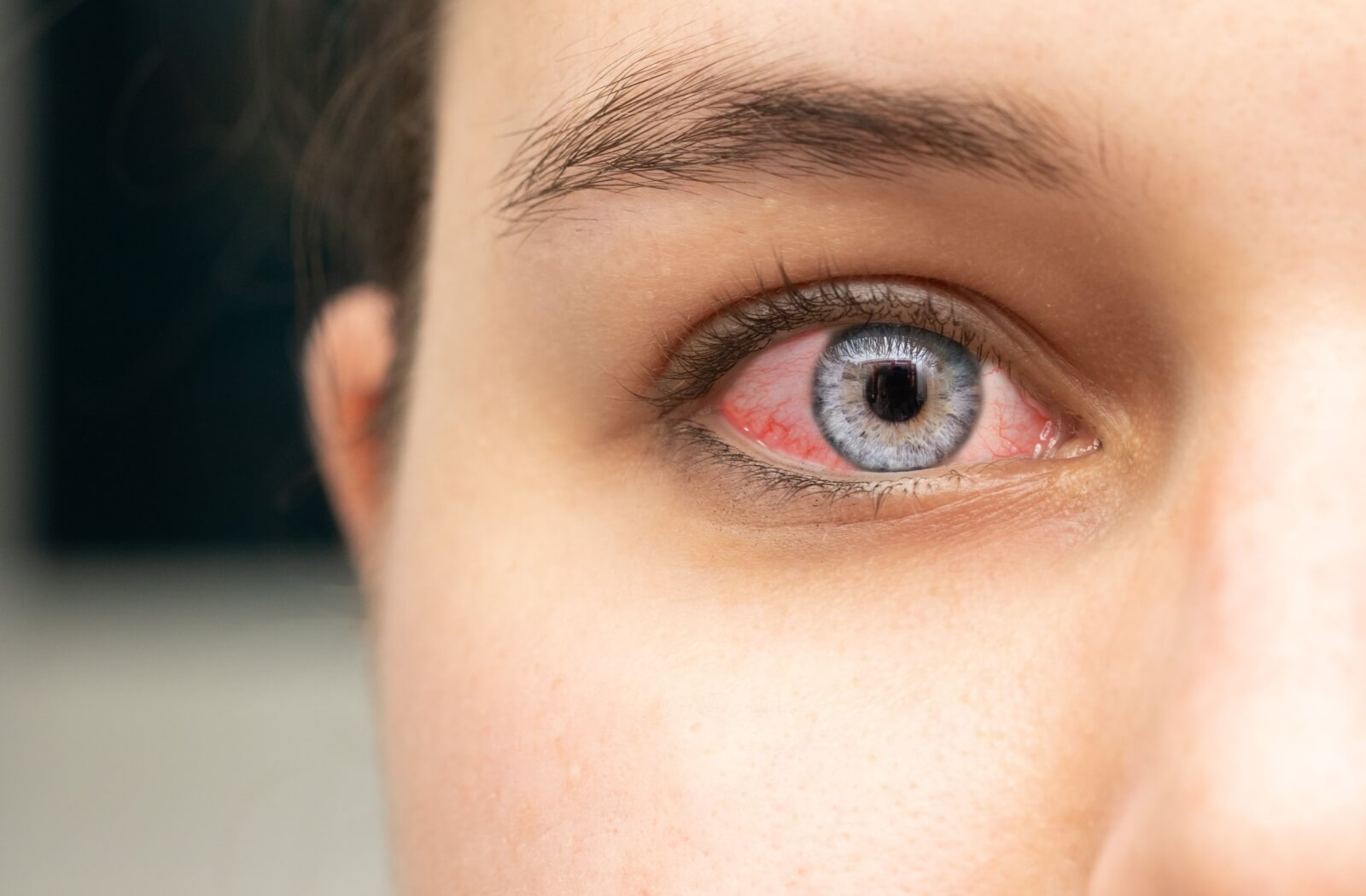
You wake up to find your child’s eyes looking red, puffy, and uncomfortable. Or maybe it’s your own eyes that feel irritated. You immediately wonder what’s going on: Is this the start of contagious pink eye, or is seasonal pollen the culprit?
Being able to tell the difference between allergies and pink eye often comes down to the specific feeling in your eyes and the type of discharge you notice. It’s important to get an accurate diagnosis from an eye doctor, as self-diagnosing can sometimes lead to treating the wrong problem.
The Telltale Signs of an Allergic Reaction
When allergies affect your eyes, the symptoms you feel are your body’s response to a trigger like pollen, dust, or pet dander. The discomfort usually shows up in both eyes at the same time.
If you’re having an allergic reaction, you may notice:
- The intense urge to rub your eyes, especially the inner corners
- Watery eyes
- Redness in both eyes
- A stuffy or runny nose and sneezing
- Puffy eyelids
Spot the Signs of Pink Eye
Pink eye, or conjunctivitis, happens when the thin layer covering the white part of your eye (called the conjunctiva) becomes inflamed. While it can affect both eyes, it often starts in just 1 before moving to the other. Unlike the overwhelming itch of allergies, pink eye has a distinct feeling of its own.
If you have pink eye, you may notice:
- A gritty, sandy feeling, like something is stuck in your eye
- Thick yellow or green discharge (more common with bacterial conjunctivitis)
- Eyelids that stick together after sleeping
- Often occurs during or shortly after having a cold

Differences You Can See and Feel
If you’re still unsure, you can pay close attention to 2 main symptoms. The way your eyes feel and the type of discharge they produce can help distinguish these conditions.
Itch vs. Grit
With allergies, the number 1 complaint is usually the itch. It can be a deep, persistent itch that makes you want to rub your eyes constantly. Pink eye, on the other hand, typically feels more like a gritty and sandy.
Watery vs. Sticky Discharge
Your eyes produce discharge for different reasons. Allergic reactions often produce a clear, watery discharge, similar to tears, as your body tries to flush the allergen out. Bacterial pink eye often causes thicker, stickier discharge, while viral pink eye may cause more watery tearing.
What to Do for Red and Irritated Eyes
A few simple actions at home can help manage the discomfort for you or your child. For itchy eyes from allergies, a cool, damp cloth held over closed eyes can provide some relief from the inflammation and itching. You can also try allergy-specific eye drops that are prescribed by your optomtrest.
If you suspect pink eye, cleanliness is key to preventing its spread. You can use a clean, warm, damp cloth to gently wipe away any discharge from the eyelid. It’s a good idea to use a fresh cloth for each eye and to keep your hands away from your face as much as possible. If pink-eye is bacterial in origin, your optometrist may prescribe antibiotic drops.
When to See Your Eye Doctor
While home care can help with mild symptoms, some signs suggest that it’s time for a professional opinion. A comprehensive eye exam can provide you with a clear diagnosis and a straightforward plan to get your family’s eyes feeling better.
You should connect with an eye doctor in Kelowna if you or a family member experiences:
- Pain in the eye or blurry vision
- Symptoms that get worse instead of better
- A large amount of green or yellow discharge
Schedule Your Appointment
You don’t have to guess what’s causing your family’s eye irritation. For a clear diagnosis and personal care, our team at Orchard Park Optometry is here to help 7 days a week. You can book an appointment to get the answers and relief your family needs.