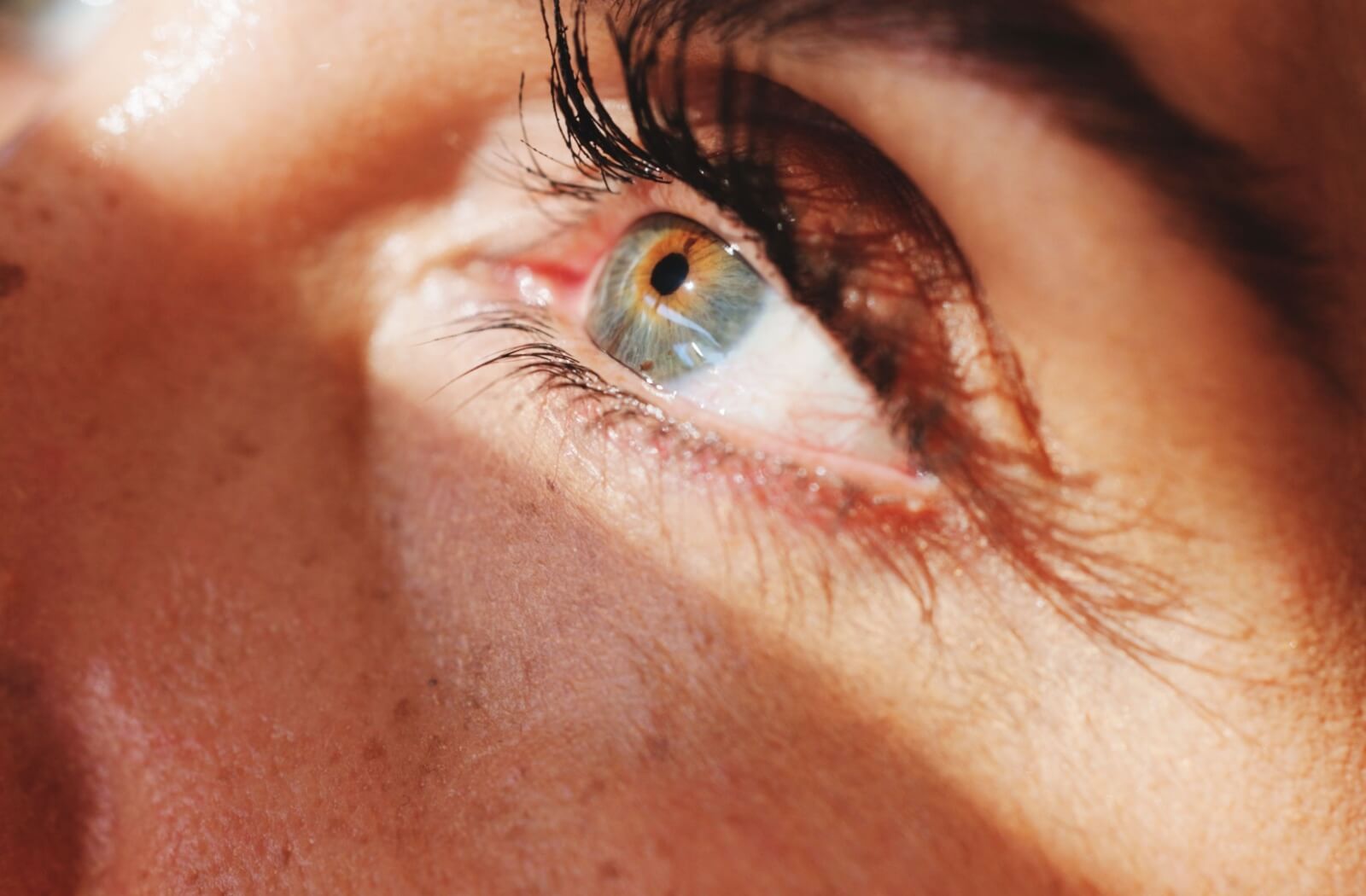
You want to protect your family’s health, and that includes their vision. When you think about eye conditions, you might expect there to be obvious initial symptoms when something is wrong. But when it comes to glaucoma, the signs can be surprisingly subtle or even absent in the beginning.
For the most common type of glaucoma, you may be surprised to learn that the first sign is often no sign at all. It can develop slowly without causing discomfort or noticeable changes to your sight, which is why our team at Orchard Park Optometry emphasizes proactive care.
The Silent Nature of Early Glaucoma
The most common form of glaucoma (called primary open-angle glaucoma) is sometimes known as the “silent thief of sight.” It can quietly damage the optic nerve, the part of your eye that sends information to your brain. This process happens so gradually that most patients don’t notice a difference in their day-to-day activities.
Potential Warning Signs and Symptoms
While the most frequent type of glaucoma is silent, other forms can produce noticeable symptoms. If you notice any of these, it is a good idea to schedule an appointment with your eye doctor in Kelowna:
- A gradual loss of your peripheral (side) vision.
- Seeing rainbow-coloured circles or halos around lights.
- Hazy or blurred vision that comes and goes.
- Sudden, intense pain in your eye.
Who Is More Likely to Develop Glaucoma?
Some factors can increase the risk of developing glaucoma. These include:
- Age: The risk increases for individuals over 60.
- Ethnicity: People of African-American, East Asian, & Latino decent have a higher risk.
- Family history: Your chances are higher if a close relative has glaucoma.
- Medical history: Conditions like diabetes, high blood pressure, & sleep apnea can play a role.
- Medications: certain medications like antihistamines, antidepressants, decongestations, bladder meds, muscle relaxants, and more, increase risk of angle closure glaucoma
- High eye pressure: This is a significant factor that an eye doctor looks for during your exam.
- Smoking & Vaping increases risk of glaucoma by 70-90%.
Early Detection Is Your First Line of Protection
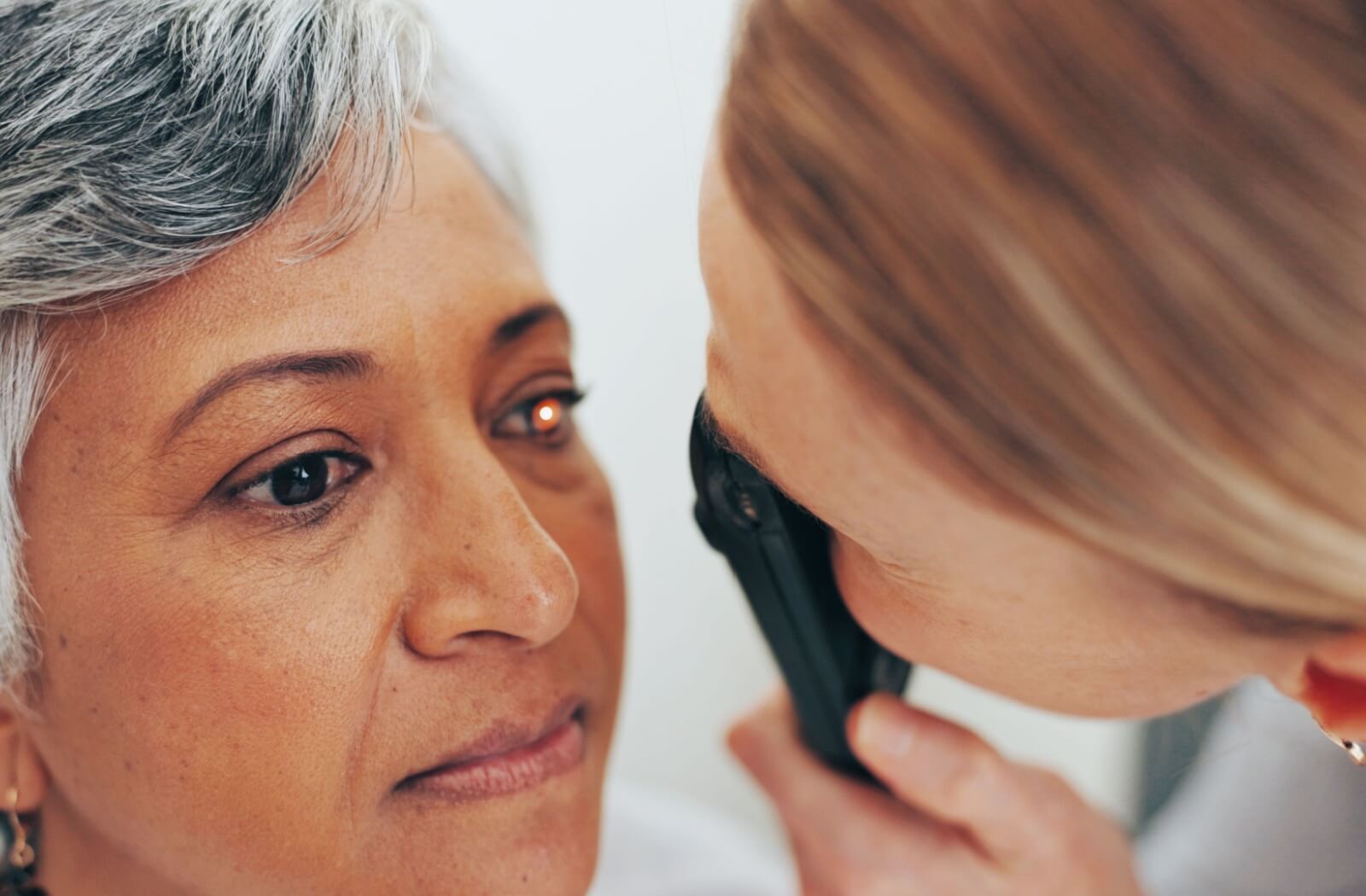
Since you cannot rely on symptoms to tell you when something is wrong, a reliable way to catch glaucoma early is through a comprehensive eye exam.
How Eye Exams Help Spot Glaucoma
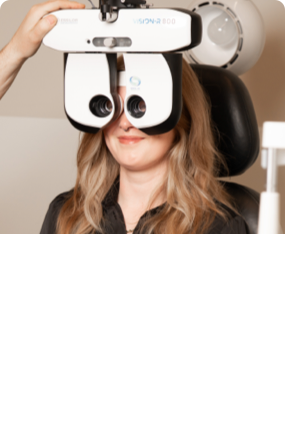
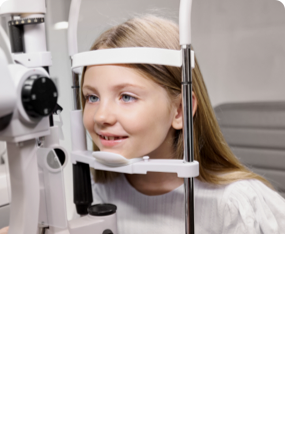
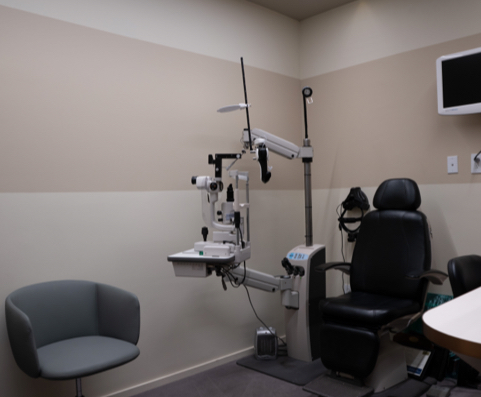
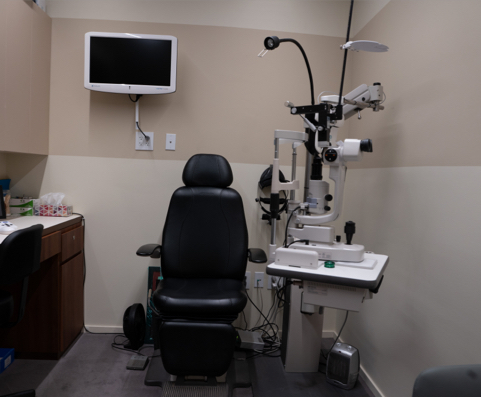
During a routine exam, our team does much more than check your prescription. They perform specific tests to assess the overall health of your eyes. This includes measuring the pressure inside your eye and carefully examining the shape and colour of your optic nerve.
The Role of Diagnostic Technology
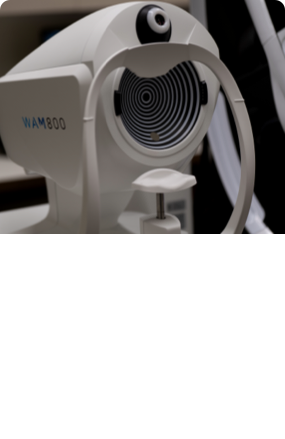
Using innovative diagnostic technology, like an optical coherence tomography (OCT) scan, can give your optometrist a better understanding of your optic nerve health. Our i-Vue OCT takes 80,000 ultrasound scans per second, measuring nerve density down to the thousandth of a millimeter, and then compares each patient to a normative database to help us detect abnormal nerve health & predict future vision loss. Spotting these subtle abnormalities early is a key part of protecting your long-term vision and preventing blindness.
What Happens if Glaucoma Is Found Early?
Finding glaucoma in its beginning stages gives you an opportunity to manage it effectively. While the condition doesn’t have a cure, there are ways to slow its progression and protect your sight for years to come. Treatment may include:
- Prescription eye drops that help lower the pressure in your eye.
- Simple, outpatient laser procedures that can be performed by an ophthalmologist
The right approach depends entirely on your unique needs. Our team wants you to have peace of mind about your treatment, which is why we take the time to walk you through every option in a way that is clear and easy to understand.
Let’s Protect Your Eyesight Together
Your family’s eye health is a priority for you, and for us. An eye exam is a proactive step in caring for your sight, so if it’s been a little while, we encourage you to come see our team. Schedule your comprehensive eye exam today with Orchard Park Optometry.