
It’s a question many families ask the team at Orchard Park Optometry, especially with busy schedules. You might wonder if it’s truly a problem to leave your contact lenses in overnight.
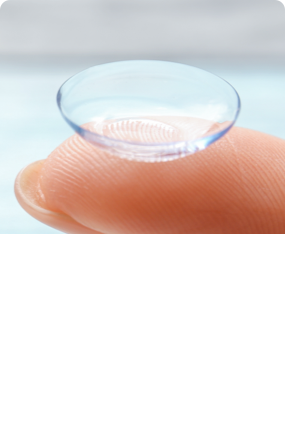
Contact lenses should be removed before sleeping to protect the eyes. While some extended-wear contact lenses are approved for overnight use, many optometrists do not recommend sleeping in them. Your eyes need a steady flow of oxygen to stay healthy, and contact lenses can further limit that supply while you sleep.
The Short Answer and Why It Matters
Your eyes need oxygen from the air to stay comfortable and healthy. When your eyelids are closed for hours, that supply is already lower than usual.
Adding a contact lens creates another barrier. This can make it difficult for your eyes to get the oxygen they need through the night. This is why most advice about sleeping in contact lenses emphasizes the importance of proper use, as it may lead to a range of potential health risks.
What Happens When You Sleep with Contacts
Your Cornea Needs to Breathe
The cornea (the clear front surface of your eye) needs fresh air. When you close your eyes, the oxygen supply is already reduced. A contact lens can reduce that supply even more, which may stress the eye.
A Welcome Mat for Germs
When your eye doesn’t get enough oxygen, its natural ability to defend against germs can be lowered. This can create an environment where bacteria can grow, potentially leading to an eye infection, such as a corneal ulcer. You should see an eye care professional if you notice symptoms like:
- Redness and irritation that won’t go away
- Pain or a gritty feeling in the eye
- Blurry or fuzzy vision
- Unusual sensitivity to light
- Watery eyes or discharge
Dryness and Discomfort
Sleeping in your lenses can cause them to dry out and feel stuck to your eyes, contributing to dry eye disease symptoms and discomfort when you wake up. It may also cause tiny scratches on your cornea when you try to remove the lenses.
What About a Quick Nap?
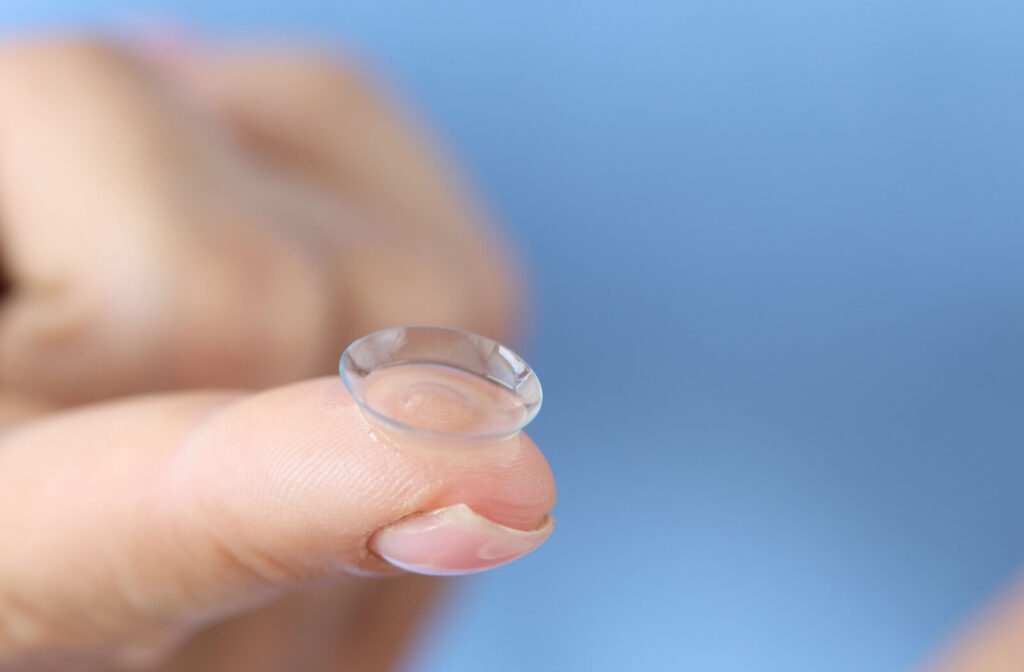
Even a short nap can reduce oxygen to your corneas, increasing your risk of irritation. Of course, accidents happen, and you might doze off without thinking about it. If you fall asleep with your lenses in, your eyes might feel dry and sticky.
After you wake up, wait a little while before trying to take them out. Using rewetting drops approved for contacts can help loosen the lens. This allows it to come out more easily and is an important part of a good care routine.
Lenses Made for Overnight Wear
You may have heard of extended-wear contact lenses. These lenses are made from materials that allow more oxygen to pass through to the eye, which reduces some of the risks of sleeping in your contacts. The choice between different types of contact lenses, including these specialized options, can impact comfort and breathability.
However, even with these specialized lenses, the risk of eye infections is higher compared to taking lenses out every night. It’s important to discuss the pros and cons with your eye doctor. They can help you decide if extended-wear lenses are a suitable choice for your lifestyle.
Your Next Steps for Healthy Eyes
Stick to a Routine
Always follow the wearing schedule your eye doctor recommends. If your lenses are meant for daily wear, make it a habit to take them out before bed.
Proper Care and Cleaning
Clean and store your lenses in fresh solution every single time you take them out. Never top off the old solution or use water. These habits can introduce harmful germs to your lenses and your eyes.
Schedule Regular Eye Exams
Your vision and eye health can change over time, so regular eye exams are important. A visit to your eye doctor confirms your prescription is correct and your contacts fit properly. It’s a simple way to protect your or your family’s vision for years to come.
Learn More About Contact Lenses
Taking a few extra moments each night for your contact lenses can make a difference in your eye comfort and health. For personalized advice on contact lens care for your family, the team at Orchard Park Optometry is here to help. Schedule an appointment in Kelowna to discuss your family’s eye care needs.